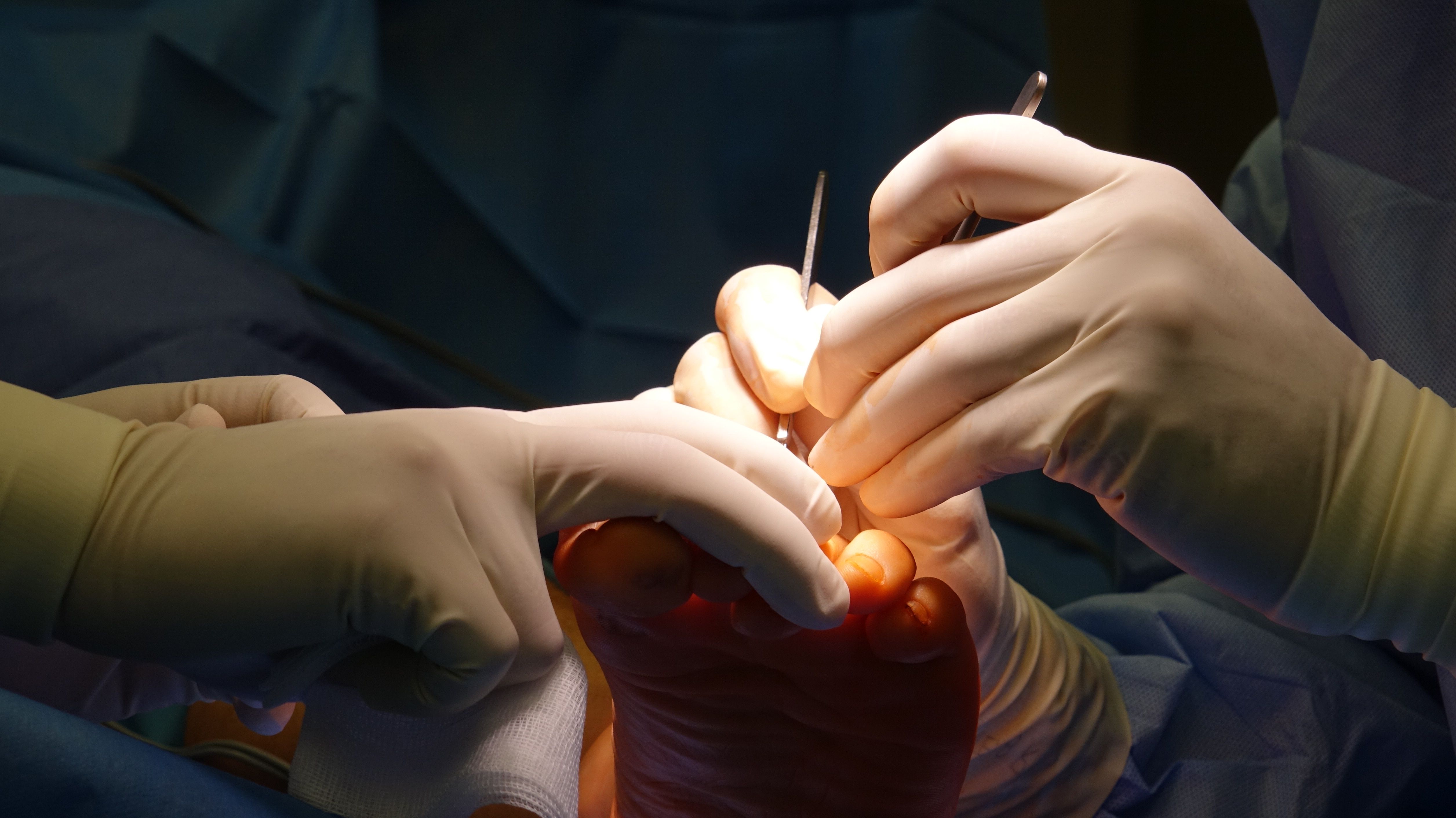
What Is a Neuroma?
A neuroma is a benign thickening of nerve tissue that develops in response to repeated irritation, compression, or trauma. In the foot, neuromas most commonly form between the third and fourth toes. This is known as Morton’s neuroma. As the nerve tissue thickens, it becomes compressed during walking, standing, and shoe wear.
Symptoms
Symptoms may develop gradually and come and go at first. Common signs include burning pain in the ball of the foot, tingling or numbness in the toes, a feeling of a pebble under the foot, swelling between the toes, sharp shooting pain, and discomfort that worsens in tight shoes or high heels. Removing the shoe or massaging the foot may temporarily relieve symptoms.
Causes
Neuromas are often caused by chronic pressure on a nerve. Risk factors include tight or narrow shoes, high heels, repetitive forefoot stress from running or court sports, flat feet, high arches, bunions, previous foot injury, and jobs that require long periods of standing or walking on hard surfaces.
Diagnosis
Dr. Suh evaluates symptoms, foot structure, footwear, and the exact location of pain. A physical exam may reproduce pain or reveal a clicking sensation associated with Morton’s neuroma. Imaging such as ultrasound or MRI may be used if needed to confirm the diagnosis or rule out other causes of forefoot pain.
Treatment at DFW Foot and Ankle
Treatment focuses on reducing pressure on the nerve and calming inflammation. Options may include wider shoes, lower heels, custom orthotics to offload the painful nerve area, metatarsal padding, corticosteroid injections, MLS laser therapy, and activity modification. Surgery is considered only when conservative options have not provided adequate relief.
Frequently Asked Questions
Can a neuroma go away on its own?
Mild symptoms may improve with shoe changes and reduced irritation, but many neuromas persist unless the source of compression is addressed.
Do custom orthotics help?
Yes. Orthotics can redistribute pressure away from the affected nerve and improve foot mechanics.
Do I need surgery?
Most patients do not need surgery. Surgical treatment is reserved for persistent cases that do not respond to conservative care.